Marble, quartzite, limestone or something else? How to choose stone that looks beautiful and lives well by the beach.
Natural stone brings a depth that manufactured surfaces rarely match, and in a coastal home it can make a kitchen or bath feel timeless. But sand, salt air, sunscreen, lemons and wet feet all ask something of a surface. Here is how we guide clients through the choice.
Marble: beautiful, and it will change
Marble is made largely of calcite, which reacts with acids. Lemon juice, wine and some cleaners will etch a dull mark into the surface, even when it is sealed. Sealing helps against staining, not etching. If you love marble, choose a honed finish, which disguises etching far better than polished, and embrace the patina it develops over time.
Quartzite: the durable alternative
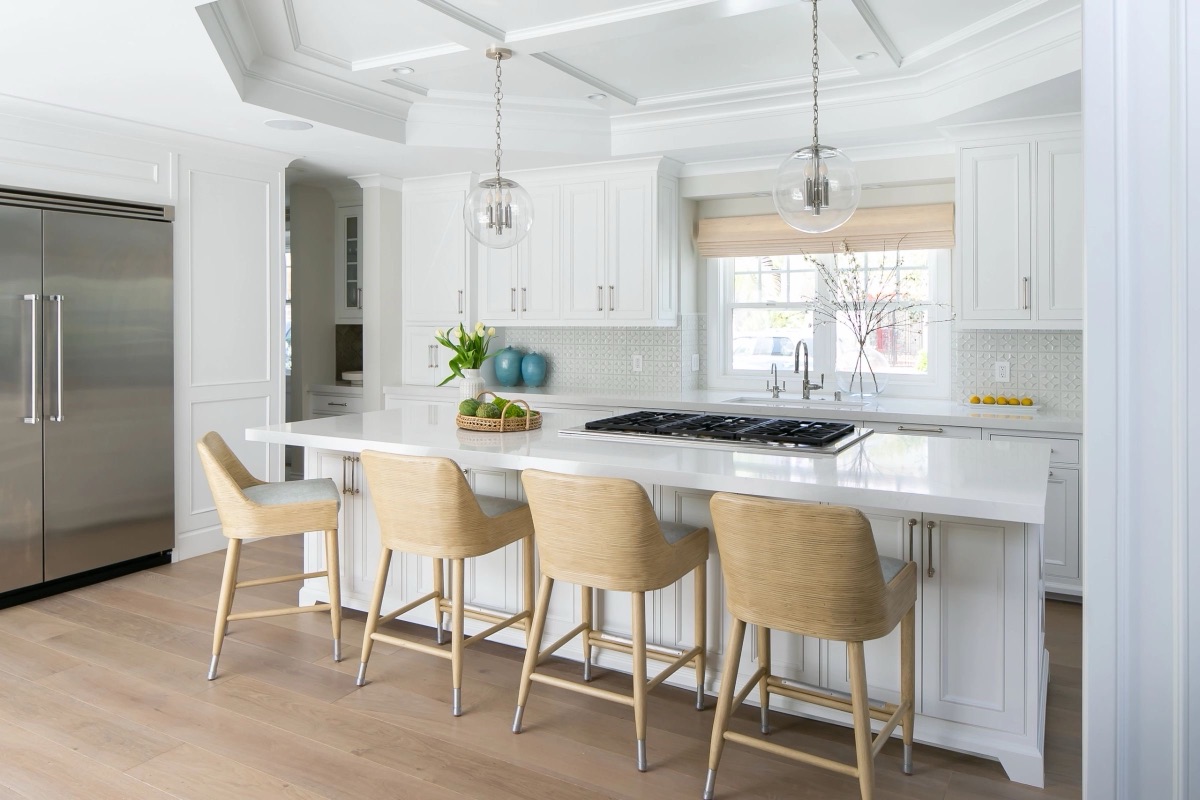
True quartzite is much harder and far more resistant to etching, which makes it our most-specified stone for busy kitchens. One caution: some stones sold as quartzite are really dolomitic marble. Ask your fabricator to test a sample. True quartzite will scratch glass, and a drop of lemon juice left on it won’t etch.
Limestone: soft light, gentle wear
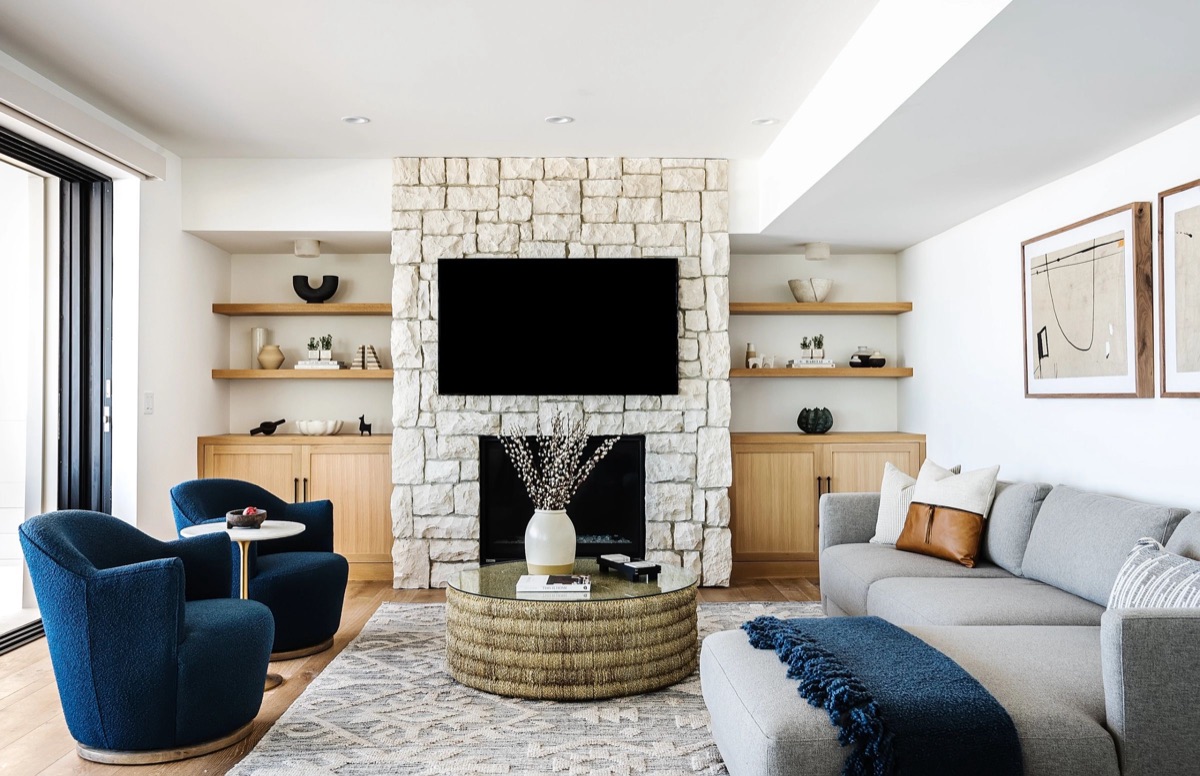
Limestone has a quiet, chalky beauty that suits coastal light perfectly. It is softer and more porous than marble, so it is best for floors, fireplace surrounds and walls, and wherever a relaxed, lived-in patina is welcome. It needs regular sealing, particularly near entries where sand is tracked in.
Finishes matter as much as stone
- Honed is matte and forgiving, and our default for coastal kitchens and baths.
- Leathered or brushed is softly textured, hides fingerprints and water marks, and adds grip on floors.
- Polished gives maximum shine and colour depth but shows every etch and scratch. Save it for low-traffic surfaces.
Living with stone by the beach
Sand is abrasive, so good entry mats and a place to rinse off make a real difference to stone floors. Salt air is harder on metal fixtures than on stone, so choose hardware finishes intended for marine environments. Reseal porous stones on the schedule your fabricator recommends, often once a year in a busy kitchen.
Above all, see full slabs in person. Stone is natural and every slab is different; we always select slabs with clients at the yard before anything is cut.