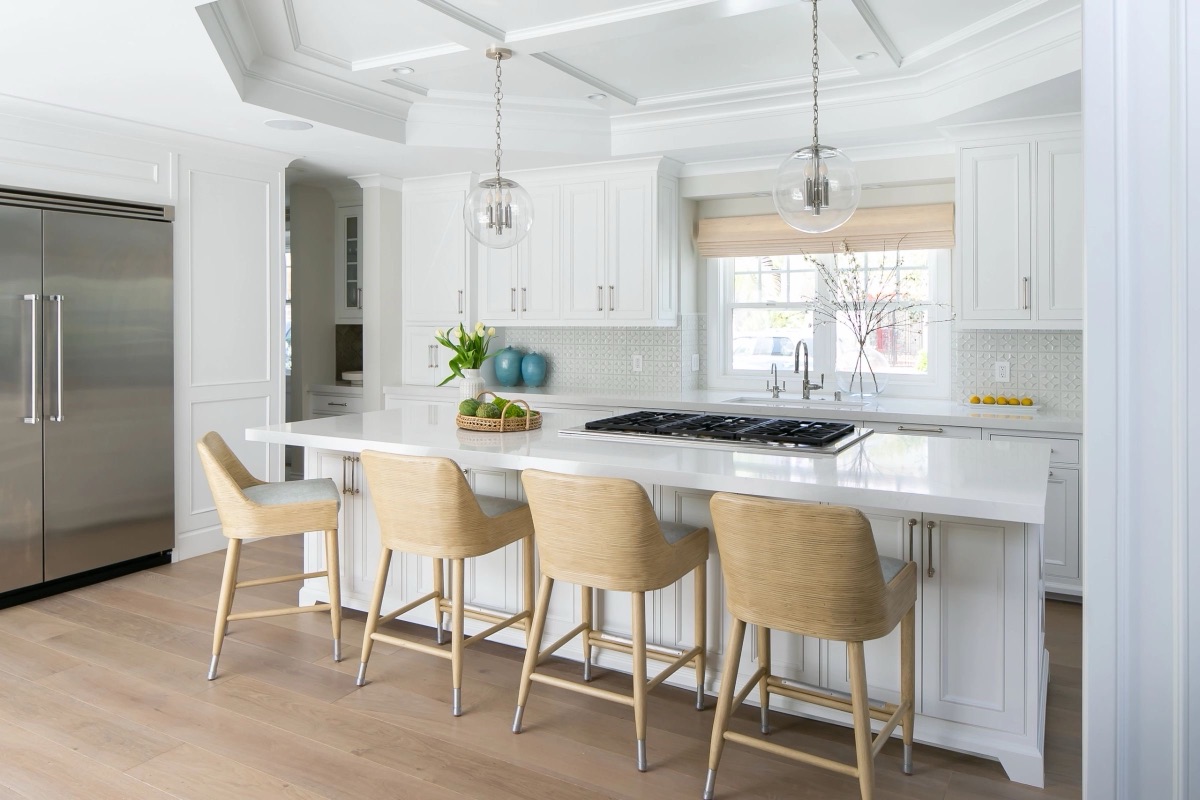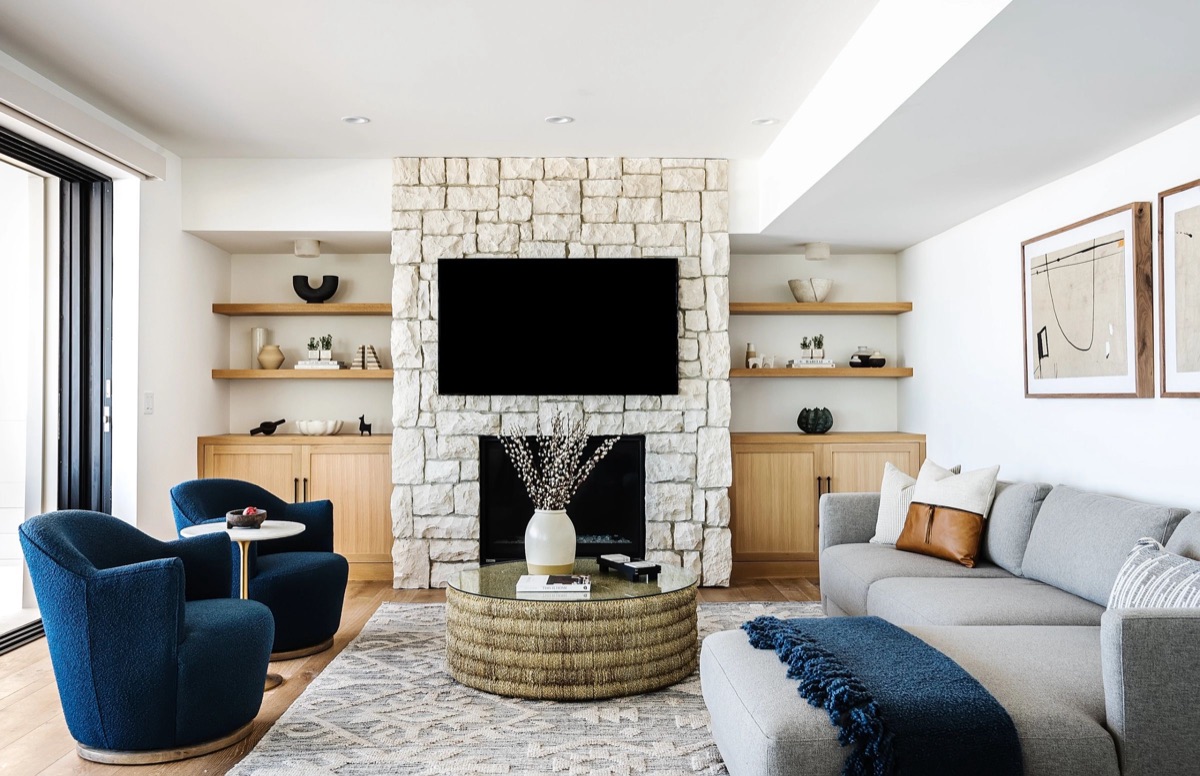
From the first walkthrough to the day the last cushion is placed: a clear guide to what a full-service designer actually does.
“Full-service” is one of the most used and least explained phrases in interior design. For a new build or major renovation it is usually the right choice, but it helps to know exactly what you are signing up for. Here is how a full-service project works at our studio, and how to tell whether you need one.
What “full-service” means
A full-service designer takes responsibility for the interior from concept to completion. That covers the look and feel of the home, and also the drawings, specifications, ordering, tracking and installation that turn a mood board into finished rooms. You make the decisions; the studio handles the work of getting there.
The phases, step by step
- Discovery. A conversation about how you live, what you love, your timeline and your investment, plus a walkthrough of the house or plans.
- Concept. Palettes, materials, precedent imagery and preliminary layouts that set the direction for the whole home.
- Design development. Detailed floor plans, elevations, millwork and lighting design, and the selection of every finish, fixture and furnishing.
- Documentation. A drawing and specification set your contractor and fabricators can price and build from.
- Procurement. Ordering, tracking, receiving and inspecting everything, from custom upholstery to door hardware.
- Site collaboration. Regular site visits and reviews with your architect and builder so the design is built as intended.
- Installation and styling. A white-glove install in which furniture, rugs, art, lighting and accessories arrive and are placed, often in a single day.
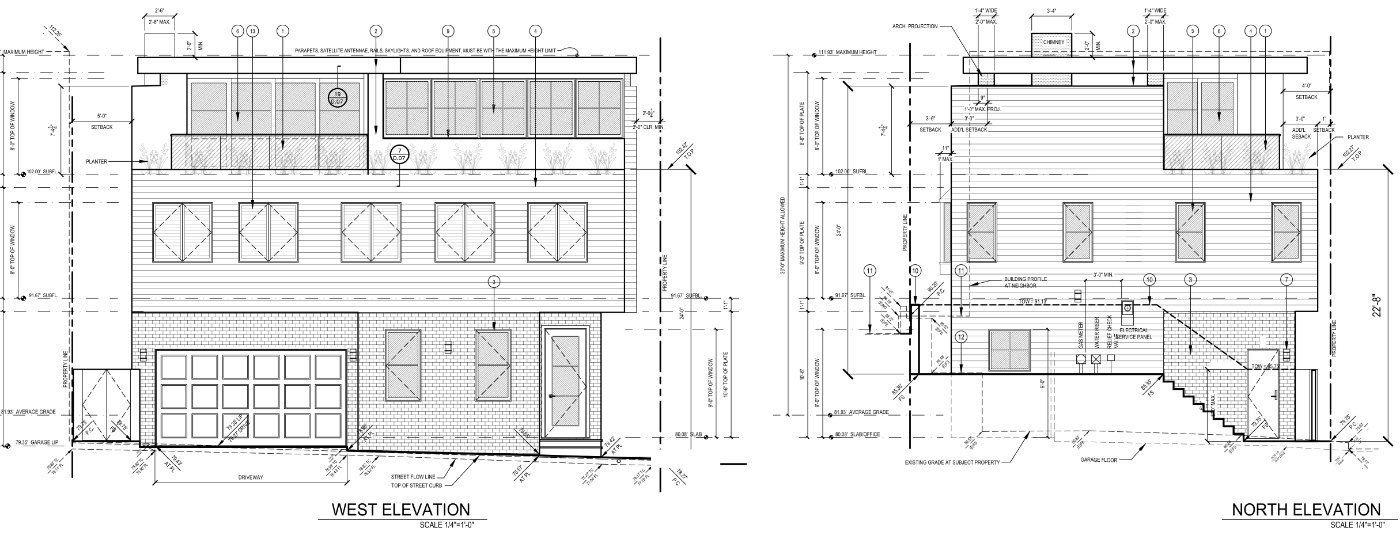
When you need full-service design
Full-service design earns its value when a project has many moving parts: new construction, a whole-home renovation, or furnishing a large home from scratch. In those projects the cost of mistakes, such as a mis-sized sofa, a delayed tile order or a lighting plan that doesn’t match the furniture, is high. A single team holding the whole picture prevents them.
If you are refreshing one or two rooms, or you enjoy sourcing yourself and simply want expert direction, a private consultation is often a better fit.
How fees typically work
Designers structure fees in a few common ways: a flat design fee based on scope, hourly billing, a percentage of the project’s construction and furnishing budget, or a combination. What matters most is clarity. You should know before work begins how design time, purchasing and any product mark-ups are handled. We outline all of this in a written proposal after our first conversation.
How long it takes
For renovations and new builds, interior design runs alongside the construction schedule, often twelve months or more. Furnishing-focused projects are faster, but custom furniture lead times of 12–16 weeks are common, so starting early pays off.
How to prepare
Before your first call, gather plans or photos of the space, images of rooms you love (and a few you don’t), a list of pieces you want to keep, and a realistic sense of timeline and investment. That’s all we need to begin.